
Englische Wörter aus der Kategorie: Verben (232)
| Wort | Übersetzung | Beispiel | Schwierigkeitsgrad | Bild | |
|---|---|---|---|---|---|
| to write | schreiben | I write a letter. | A1 | 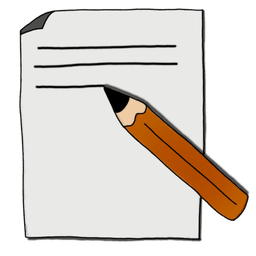 | |
| to smoke | rauchen | I smoke every day. | A1 | 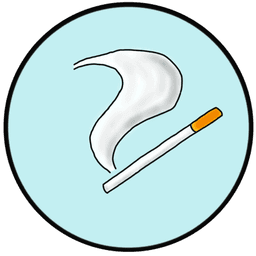 | |
| to cook | kochen | I cook dinner every day. | A1 |  | |
| to fry | braten | I fry the meat on the pan. | A2 | | |
| to bake | backen | I bake bread every morning. | A1 | | |
| to grill | grillen | I grill sausages every Sunday. | A2 | | |
| to command | befehlen | I command the soldiers. | B1 | | |
| to begin | anfangen / beginnen | I begin my work at eight o’clock. | A1 | | |
| to bite | beißen | He bites the apple. | A2 | | |
| to rescue | retten | The firefighter rescues the cat. | B1 | | |
| to salvage | bergen | He salvages items from the fire. | B1 | | |
| to burst | platzen | The balloon bursts. | B1 | | |
| to burst open | bersten | The water pipe bursts open. | B2 | | |
| to bend | biegen | I bend the wire carefully. | A2 | | |
| to offer | bieten | I offer my help. | A2 | | |
| to tie | binden | She ties her hair back. | A1 | | |
| to ask | bitten | I ask for help. | A1 | | |
| to blow | blasen | The wind blows strongly. | A2 | | |
| to stay | bleiben | I stay at home today. | A1 | | |
| to break | brechen | She breaks the stick in half. | A1 | | |
| to burn | brennen | The candle burns all night. | A2 | | |
| to bring | bringen | I bring a gift to the party. | A1 |  | |
| to think | denken | I think about my friend. | A1 |  | |
| to grind | mahlen | I grind coffee every morning. | B1 | | |
| to thresh | dreschen | They thresh rice in the barn. | A2 | | |
| to penetrate | dringen | Light penetrates the room. | B1 | 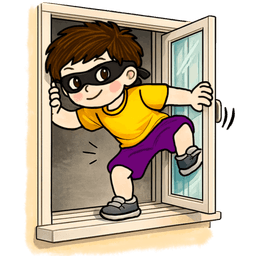 | |
| to receive | empfangen | I receive a letter. | A2 | | |
| to recommend | empfehlen | I recommend this book. | A2 | | |
| to go out | ausgehen / erlöschen | The candle goes out. | A2 | | |
| to frighten | erschrecken | You frighten me. | B1 | 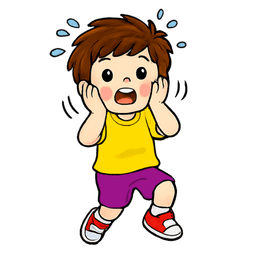 |