
English words from category: A1 Level (575)
| Word | Example | Difficulty | Image | |
|---|---|---|---|---|
| juice | The juice is fresh. | A1 | 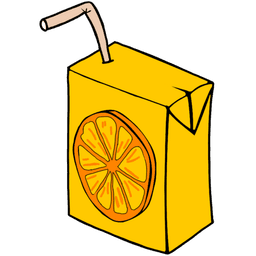 | |
| blouse | The blouse is beautiful. | A1 | 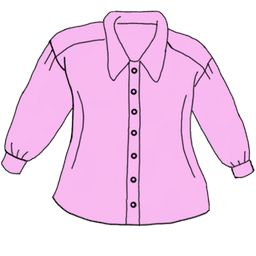 | |
| tomato | The tomato is fresh. | A1 | 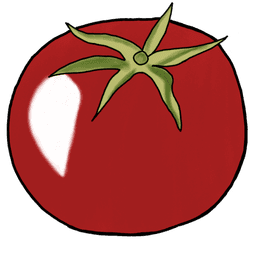 | |
| broccoli | I eat broccoli every day. | A1 | 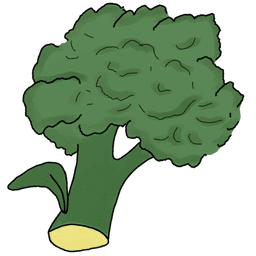 | |
| cucumber | She cuts the cucumber for salad. | A1 |  | |
| pepper | He adds pepper to the soup. | A1 |  | |
| potato | She bakes a potato for dinner. | A1 | 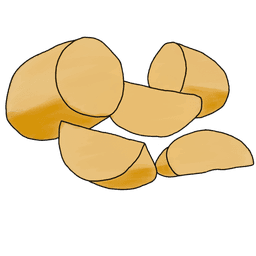 | |
| pumpkin | I am buying a pumpkin at the market. | A1 |  | |
| zucchini | I fry zucchini with garlic. | A1 | 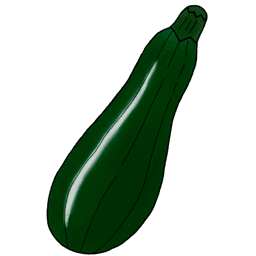 | |
| eggplant | She grills eggplant for lunch. | A1 | 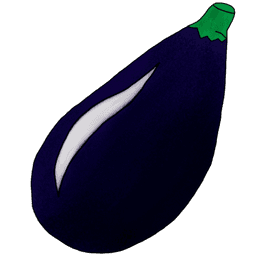 | |
| white cabbage | My mom makes salad with white cabbage. | A1 | 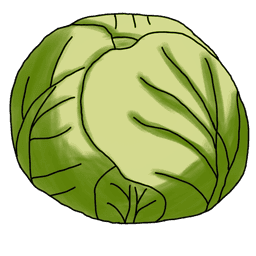 | |
| sweet potato | I roast sweet potato in the oven. | A1 |  | |
| carrot | He washes a carrot before eating it. | A1 | 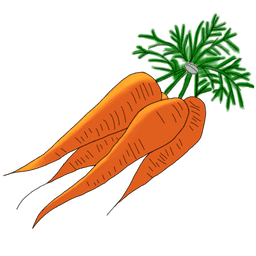 | |
| pointed pepper | I like eating pointed pepper. | A1 |  | |
| cherry | She puts a cherry on the cake. | A1 | 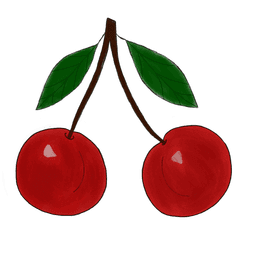 | |
| plum | I eat a plum. | A1 | 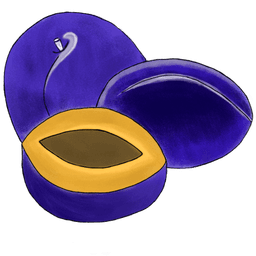 | |
| banana | The banana is yellow. | A1 | 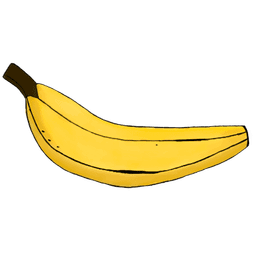 | |
| peach | The peach is sweet. | A1 | 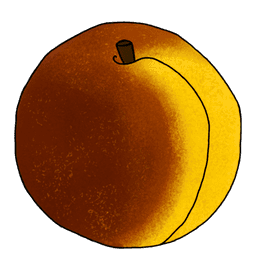 | |
| pear | The pear is juicy. | A1 | 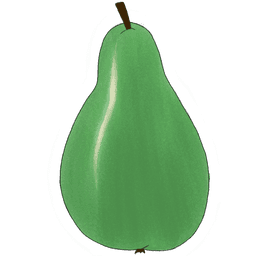 | |
| apricot | The apricot is soft. | A1 |  | |
| dress | She wears a red dress. | A1 | 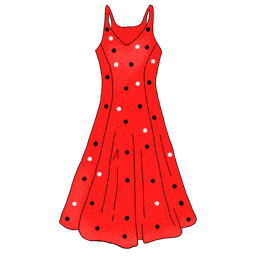 | |
| shirt | He wears a blue shirt. | A1 |  | |
| poncho | She wears a warm poncho. | A1 |  | |
| rain jacket | He takes a rain jacket in bad weather. | A1 | 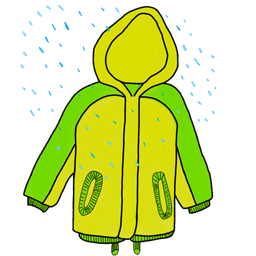 | |
| skirt | She likes her long skirt. | A1 |  | |
| T-shirt | He buys a cool T-shirt. | A1 |  | |
| jeans | She wears blue jeans. | A1 |  | |
| sweater | The sweater is warm. | A1 | 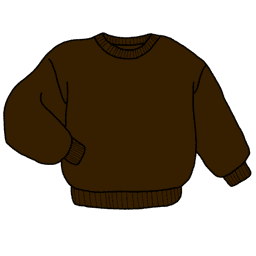 | |
| shorts | The shorts are new. | A1 | 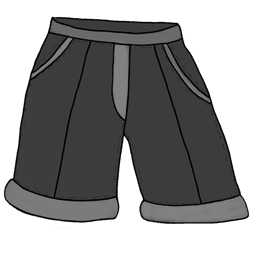 | |
| strawberry | The strawberry is sweet. | A1 | 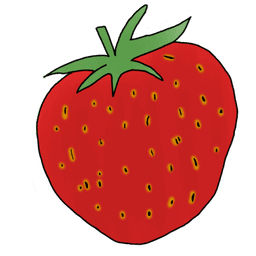 |
Learning A1-level vocabulary is the first step toward confident language use. At this level, basic words are studied that help with everyday communication. This includes simple nouns, verbs, adjectives, and fixed phrases necessary for understanding the language and writing simple texts.
For beginners, it is important to gradually expand vocabulary, starting with the most frequently used words. For example, words to describe yourself, your family, home, food, work, and hobbies are included. Words for expressing time, dates, weather, and emotions are also studied. This approach helps to understand speech faster and build simple sentences.
The methodology for learning A1 vocabulary includes repetition, flashcards, reading short texts, and listening to audio. It is important not only to memorize translations but also to learn to use words in context. This helps consolidate knowledge and makes learning effective and engaging.
Starting from A1 level, you can gradually move on to more complex vocabulary of A2 and B1 levels. Basic vocabulary is the foundation for further language learning, and regular practice helps quickly improve communication skills.
The “A1 Vocabulary” category is ideal for self-study or lessons with a teacher. It allows you to master the first 500–800 words needed for everyday communication, understanding simple texts, and participating in basic conversations in a new language.
Learning A1 vocabulary is an easy and engaging way to start speaking and understanding a language. Start simple, repeat regularly, and use words in real life to confidently progress to higher levels.